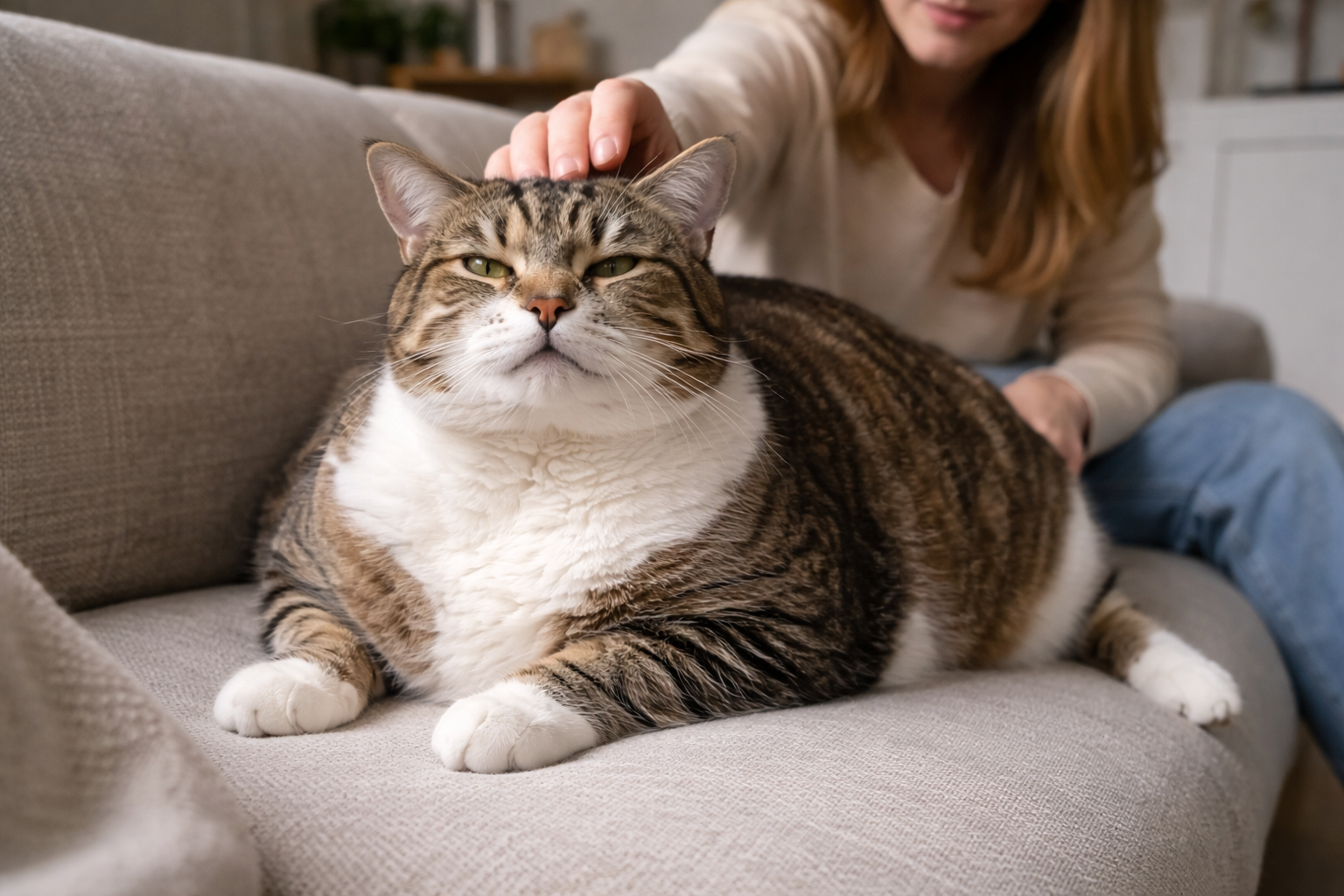
You’ve noticed it for a while now. Maybe it was the way your dog looked a little rounder after the holidays. Or how your cat doesn’t jump onto the counter as easily anymore. Perhaps a friend made a comment—half-joking, but it stuck with you. Or maybe your vet casually mentioned your pet’s weight at the last checkup, and you’ve been thinking about it ever since.
If you’re reading this, you’re probably asking yourself: Is my pet overweight?
First, take a breath. You’re not alone, and you’re not a bad pet parent for wondering. Pet obesity is one of the most common health concerns in the United States, and asking the question means you care enough to do something about it. This article will help you figure out if your pet is carrying extra weight, why it matters, and what you can actually do about it—without the guilt trip.
Why Pet Obesity Is So Common in the U.S.
Here’s the reality: more than half of American pets are overweight or obese. That’s not a judgment—it’s just what the numbers show.
So why is pet obesity so widespread?
Life gets busy. Between work, family, and everything else, it’s easy to pour kibble into a bowl without measuring. Treats become shortcuts for showing love. Your dog gives you those eyes at dinner, and suddenly they’re eating pizza crust. Your cat meows at 3 a.m., so you leave food out all the time to keep the peace.
Indoor cats don’t burn calories like their outdoor ancestors did. Dogs in apartments don’t always get the exercise they need. And let’s be honest—treats are everywhere. Pet stores, training classes, even your own pantry. We love our pets, and food feels like an easy way to show it.
None of this makes you a bad person. It makes you human. But it does mean that unintentional overfeeding and under-exercising are pretty common in American pet households.
Is My Pet Overweight? Simple Signs to Look For
Let’s get practical. You don’t need a veterinary degree to get a sense of whether your pet is carrying extra weight. Here are some straightforward ways to check.
The Rib Test
Run your hands along your pet’s sides. You should be able to feel their ribs without pressing hard—kind of like running your fingers over the back of your hand. If you can’t feel the ribs at all, or you have to push through a layer of fat to find them, that’s a sign your pet might be overweight.
The Waistline Check
Look at your pet from above. Do they have a visible waist? Dogs and cats should have an hourglass shape when viewed from the top—wider at the chest and hips, with a noticeable tuck inward at the waist. If their body looks more like a rectangle or an oval, that’s a red flag.
The Tummy Tuck
Look at your pet from the side. Their belly should tuck up slightly between the rib cage and hips. If their stomach hangs down or looks level with their chest, they may be carrying excess weight.
Energy Levels
Has your dog started slowing down on walks? Does your cat sleep more and play less? Weight gain can make pets tired and less enthusiastic about activity.
Grooming Struggles (Cats)
Overweight cats often have trouble grooming themselves, especially their back and rear areas. If your cat’s coat looks greasy or unkempt, weight could be part of the problem.
Understanding Pet Body Condition Score
Vets use something called a body condition score to assess pet weight. It’s basically a visual and physical scale from 1 to 9:
- 1-3: Underweight (ribs, spine, and hip bones are very visible)
- 4-5: Ideal weight (ribs are easy to feel, visible waist, tummy tuck present)
- 6-7: Overweight (ribs are hard to feel, waist is barely visible, no tummy tuck)
- 8-9: Obese (heavy fat deposits, no waist, belly sags, difficulty moving)
Most pets should fall into that 4-5 range. If you think your pet is a 6 or higher, it’s worth taking action.
Overweight Dog vs. Overweight Cat: What’s Different?
While the signs of pet obesity are similar across species, the reasons and solutions can differ.
Overweight Dogs
Dogs often gain weight because of too many treats, table scraps, and not enough exercise. Americans love to share food with their dogs—a bite of chicken here, a French fry there. It adds up fast. Many dogs also aren’t getting the daily walks or playtime they need to burn calories.
Overweight Cats
Cats, especially indoor cats, tend to gain weight from boredom and inactivity. They’re natural hunters, but if they’re sitting on the couch all day with unlimited access to food, the pounds creep on. Indoor cats are at especially high risk for weight gain because they don’t have the same opportunities to roam, climb, and chase that outdoor cats do.
Both overweight dogs and overweight cats face similar health risks, but their weight management plans often look different. Dogs benefit from increased activity, while cats often need more environmental enrichment and portion control.
Why Pet Obesity Matters (Without Fear Tactics)
Let’s talk about why this matters—not to scare you, but so you understand what’s at stake.
When pets carry extra weight, their bodies work harder. Here’s what can happen:
Joint and Mobility Issues
Extra pounds put stress on your pet’s joints, hips, and spine. This can lead to arthritis and pain, especially as they age. You might notice them limping, avoiding stairs, or struggling to get up.
Diabetes
Overweight pets, especially cats, are at higher risk for diabetes. This is a serious condition that requires lifelong management and can impact your pet’s quality of life.
Heart and Respiratory Problems
Excess fat makes it harder for the heart and lungs to do their job. Overweight pets may pant more, tire easily, or develop heart disease earlier than pets at a healthy weight.
Shorter Lifespan
Studies show that pets at a healthy weight live longer than overweight pets—sometimes by years. Those extra pounds can literally shorten the time you have together.
This isn’t about panic. It’s about understanding that pet weight management isn’t cosmetic—it’s about health, comfort, and longevity.
How to Help My Pet Lose Weight (Practical, Actionable Steps)
Okay, so you’ve determined your pet could stand to lose a few pounds. What now?
The good news: you don’t need to overhaul everything overnight. Small, consistent changes make a real difference.
Start with Portion Control
Most pet obesity comes down to eating too much. Measure your pet’s food with an actual measuring cup—not eyeballing it. Check the feeding guidelines on the bag, but remember those are just starting points. Your vet can help you determine the right amount for your specific pet.
Cut Back on Treats
Treats should make up no more than 10% of your pet’s daily calories. If you’re handing out treats multiple times a day, that adds up fast. Consider switching to healthier, lower-calorie options like:
- Small pieces of carrots or green beans (for dogs)
- Plain cooked chicken or turkey (for both)
- Ice cubes (yes, some dogs love them)
- Single-ingredient freeze-dried treats in tiny portions
Stop the Table Scraps
This one’s tough because those puppy eyes are powerful. But human food is calorie-dense and often not nutritionally appropriate for pets. If you absolutely must share, stick to small bites of plain, unseasoned meat or veggies—and count it toward their daily food intake.
Increase Exercise for Dogs
Even adding 10-15 minutes to your dog’s daily walk can help. Try:
- Longer or more frequent walks
- Playing fetch or tug-of-war
- Swimming (great for dogs with joint issues)
- Hiking on weekends
- Dog parks for social play
Enrich Your Cat’s Environment
Indoor cats need mental and physical stimulation to stay active. Try:
- Interactive toys like feather wands or laser pointers
- Puzzle feeders that make them work for their food
- Climbing trees or cat shelves
- Scheduled play sessions twice a day
- Rotating toys to keep things interesting
Talk to Your Vet
Before making major changes, especially if your pet needs to lose a significant amount of weight, check in with your vet. They can rule out underlying health issues, recommend a safe weight loss plan, and suggest prescription diets if needed.
Be Patient
Safe weight loss for pets is slow—usually around 1-2% of body weight per week. For a 50-pound dog, that’s about half a pound per week. For a 15-pound cat, it’s just a couple ounces. This is a marathon, not a sprint.
Signs Your Pet’s Weight Is Improving
How do you know it’s working? Watch for these positive changes:
More Energy
Your dog is excited about walks again. Your cat is chasing toys instead of ignoring them.
Easier Movement
They’re jumping, running, and playing without struggling or panting excessively.
Better Coat
Especially for cats, improved grooming ability means a shinier, healthier-looking coat.
Happier Behavior
Pets at a healthy weight often seem more engaged and playful. They’re more comfortable in their bodies.
Remember: progress isn’t always linear. Some weeks will be better than others. Consistency matters more than perfection.
You’re Not a Bad Pet Parent
Let’s address the elephant—or the overweight Labrador—in the room.
If your pet is overweight, it doesn’t mean you don’t love them. It doesn’t mean you’re neglectful or careless. It means you’re part of a massive group of American pet owners navigating the same challenge.
Many of us were never taught how much to feed our pets. We show love through food because that’s what feels natural. We give treats because we want our pets to be happy. We skip walks on busy days because life happens.
But here’s the thing: recognizing that your pet might be overweight is actually a sign of great pet parenting. You’re paying attention. You’re asking questions. You’re willing to make changes.
Small adjustments add up. Measuring food, cutting back on treats, adding a few minutes of playtime—these aren’t huge sacrifices. They’re acts of love that will give you more healthy, happy years with your pet.
Moving Forward: Pet Weight Management Is a Journey
So, is your pet overweight? Maybe. Maybe not. But the fact that you’re here, reading this, and thinking about it means you’re already on the right track.
Pet weight management isn’t about perfection. It’s about awareness, small consistent changes, and giving your pet the best chance at a long, comfortable, healthy life. You don’t have to do everything at once. Start with one thing—measure their food, add a five-minute walk, swap out high-calorie treats.
The most important step is the one you’re already taking: caring enough to ask the question.
Your pet doesn’t need you to be perfect. They just need you to be present, informed, and willing to make adjustments when needed. And it sounds like that’s exactly what you’re doing.
You’ve got this.
Leave a Reply