
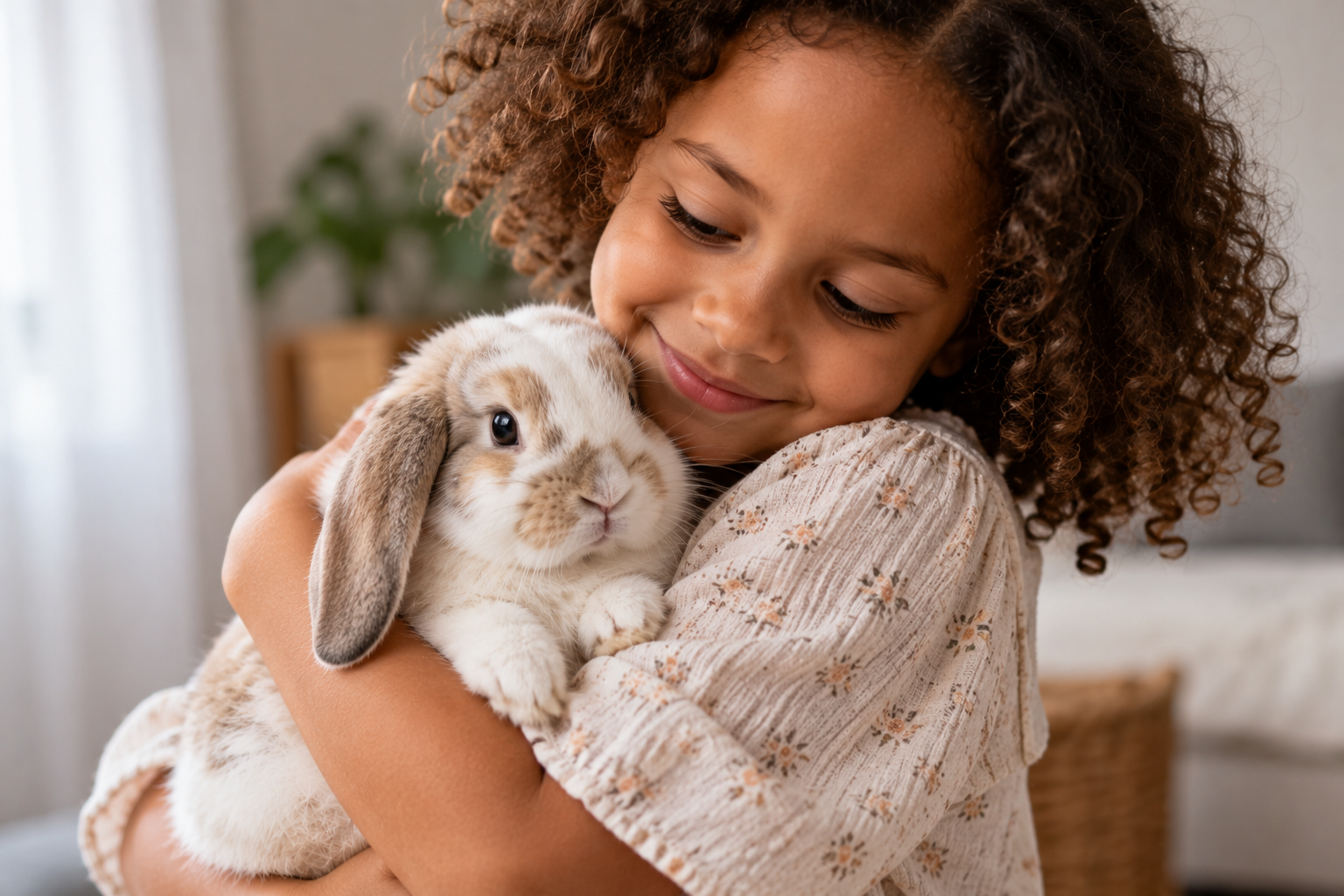
“Can we get a pet?”
If you have kids, there is a good chance you’ve heard this question before. Maybe they fell in love with a puppy at a friend’s house, saw a hamster at the pet store, or have spent the last few months trying to convince you that they are absolutely responsible enough to take care of an animal.
Getting a child’s first pet can be a great experience. Pets can introduce children to routines, responsibility, empathy, and the reality of caring for another living thing. But choosing the right first pet takes more thought than simply picking the animal your child finds cutest.
Before bringing one home, parents should consider the animal’s care needs, lifespan, cost, temperament, space requirements, and how much of the responsibility the adults in the household are prepared to take on.
Here are some pets worth considering.
1. Guinea Pigs
Guinea pigs can be a good option for families looking for a small pet that children can interact with.
They are social animals and can become comfortable with gentle, regular handling. They also have plenty of personality and communicate through a surprising range of sounds.
However, guinea pigs need more care and space than their size might suggest. They require an appropriate enclosure, daily access to hay, fresh vegetables, vitamin C in their diet, clean water, enrichment, and regular cleaning. Because guinea pigs are social animals, they can also benefit from appropriate companionship from another compatible guinea pig.
They are a good reminder that “small pet” does not mean “no work.”
2. Rats
Rats may not be the first animal every parent thinks of, but domestic rats can make engaging pets for older children and families who are comfortable with them.
Pet rats are intelligent and social. They can learn routines, interact with their caregivers, and enjoy enrichment and handling when properly socialized.
They should generally live with compatible rats rather than alone, and they need a properly sized enclosure, regular cleaning, appropriate food, enrichment, and veterinary care when needed.
Their relatively short lifespan can also be difficult for children, so parents should consider whether their child is ready to eventually deal with the loss of a pet.
3. Fish
Fish are often recommended as easy first pets for kids, but that description can be misleading.
A fish doesn’t need to be walked or taken outside, but maintaining a healthy aquarium requires real work. Parents need to understand tank size, filtration, water temperature, water quality, feeding, and the specific needs of the fish they choose.
Even a betta fish needs an appropriately sized, heated and filtered aquarium with properly conditioned water. A small bowl on a bedroom shelf isn’t an adequate substitute for a healthy habitat.
Fish can be a great choice for children who enjoy observing animals and learning about ecosystems, as long as the family is prepared to maintain the aquarium properly.
4. Hamsters
Hamsters are another popular first pet for children, but their natural behavior is worth considering before choosing one.
Hamsters are generally most active in the evening and at night. A child who wants a pet to play with during the day may therefore be disappointed when their hamster would rather sleep.
They can also be delicate and may bite if frightened, startled, or handled incorrectly. Younger children should always be supervised when interacting with them.
For the right household, though, caring for a hamster can teach children about feeding routines, habitat maintenance, enrichment, and respecting an animal’s boundaries.
5. A Family Dog
A dog can be an incredible childhood companion, but a dog should be considered a family pet, not a child’s responsibility.
Dogs require training, exercise, feeding, grooming, veterinary care, socialization, and years of commitment. A child may promise to handle all of those responsibilities, but ultimately an adult needs to be prepared to take responsibility for the dog’s care.
If your family already has the time, space, budget, and lifestyle for a dog, bringing one into the home can give children an opportunity to participate in age-appropriate responsibilities such as helping with feeding, training, playtime, and walks with adult supervision.
The individual dog’s temperament and history matter too. Families should look for a dog whose needs and behavior are a good match for a household with children rather than choosing based only on appearance or breed.
What About Rabbits?
Rabbits are frequently marketed as good starter pets for children, but families should think carefully before choosing one for that reason.
Rabbits have specific dietary, housing, social, and veterinary needs. They are also physically delicate, and many do not enjoy being picked up or carried around.
A rabbit can be a wonderful family pet when the household understands rabbit care, but it shouldn’t be treated as an easier alternative to getting a dog or cat.
What Is the Easiest Pet for a Child?
There isn’t one correct answer.
A better question is: Which pet can our entire family realistically care for?
Consider your child’s age and maturity, how much interaction they want from a pet, your available space, allergies in the household, your budget, access to appropriate veterinary care, and how long the animal may live.
You should also think about what happens when your child loses interest.
Children grow up. Schedules change. The excitement of getting a new pet eventually becomes a normal part of everyday life. The animal still needs food, cleaning, attention, enrichment, and medical care.
That responsibility ultimately belongs to the adults.
A First Pet Should Be a Family Decision
Giving a child a pet can create some incredible memories, but an animal shouldn’t become a test of whether a child is responsible enough.
Start by researching the animal together. Talk about what it eats, where it will live, how much its care will cost, how often its habitat needs cleaning, how it likes to be handled, and how long it may live.
Then decide whether your household can provide that care for the animal’s entire life.
Your child’s first pet may eventually become one of their favorite childhood memories. Choosing carefully gives both the child and the animal a much better chance of making that happen.
At Petineeds, we’re building for pet parents of all kinds and the families learning how to become pet parents for the first time. From everyday essentials to practical pet care information and community, we want to make getting started a little easier.
Leave a Reply